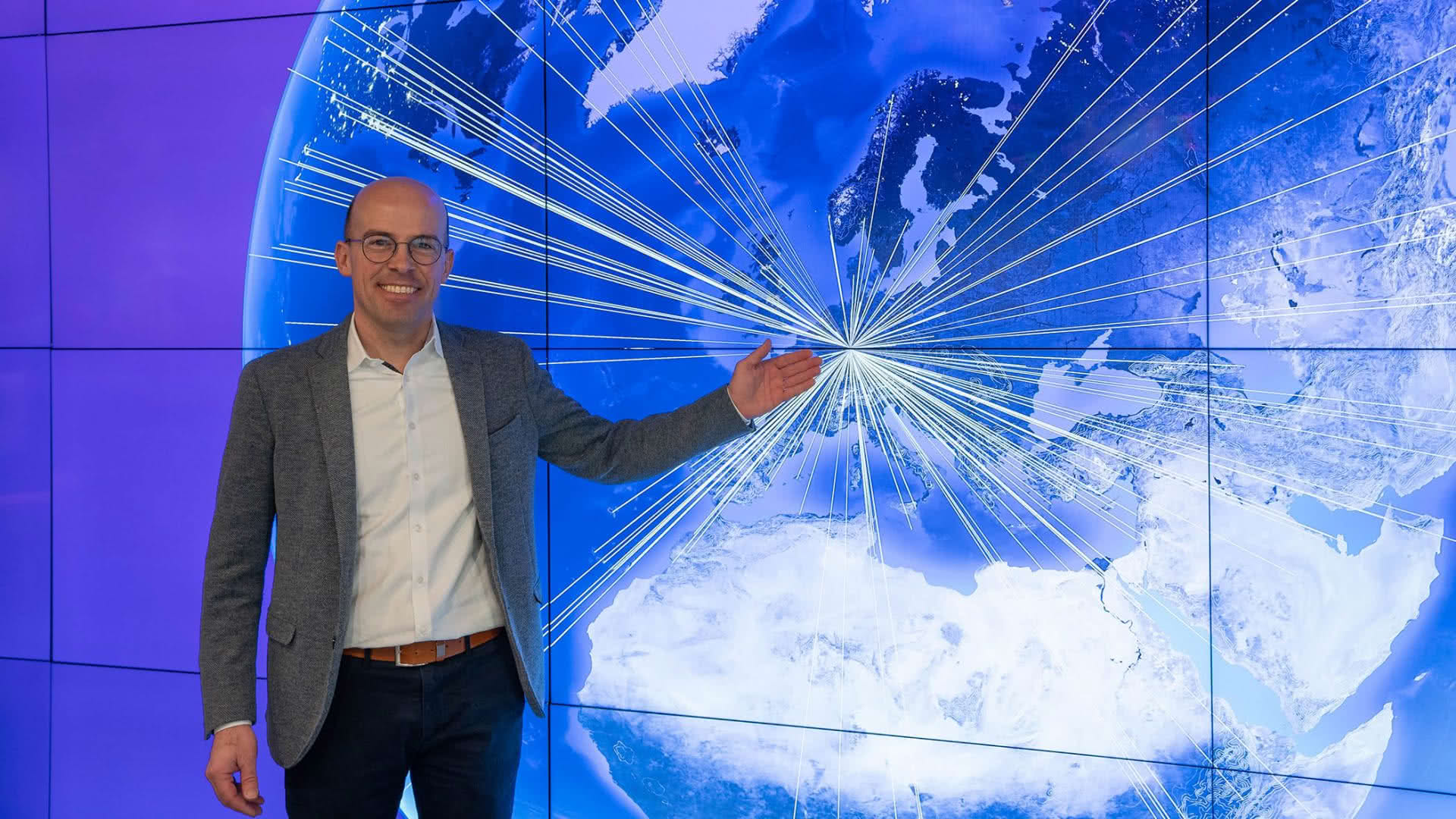
Giessen Week 2026: Connecting cultures, creating memories
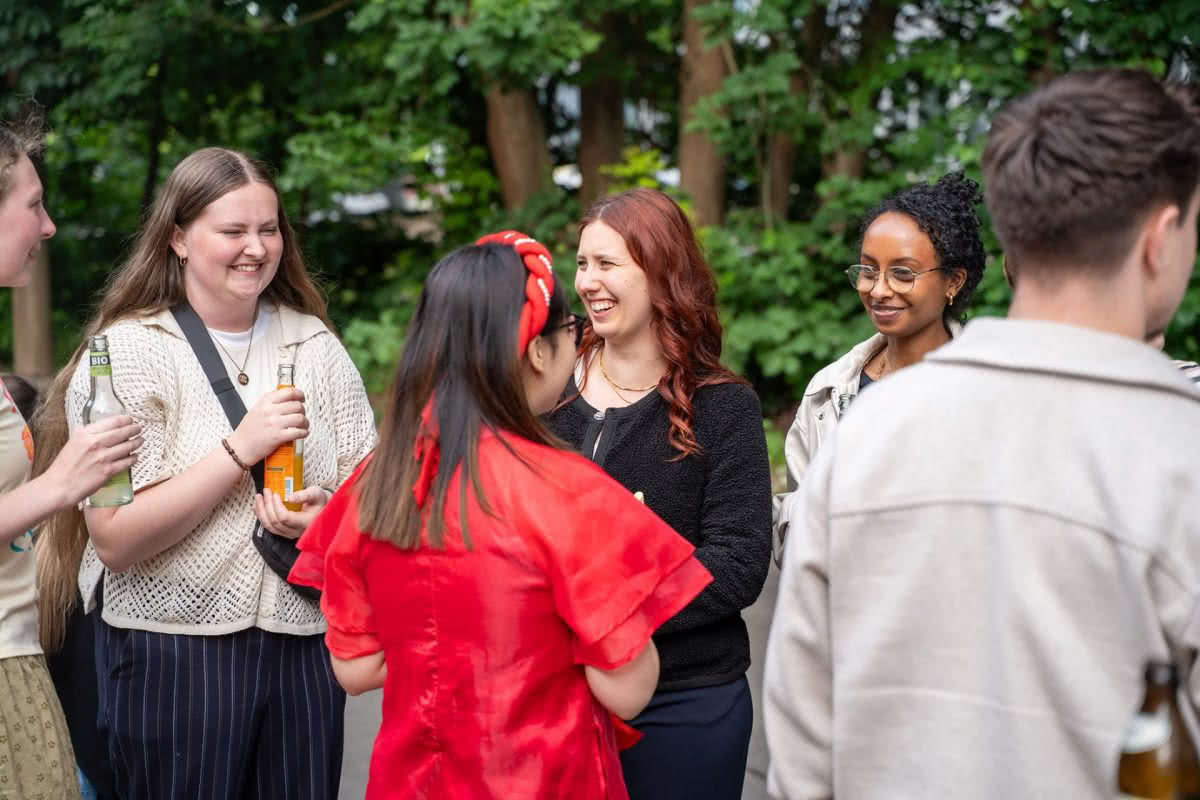
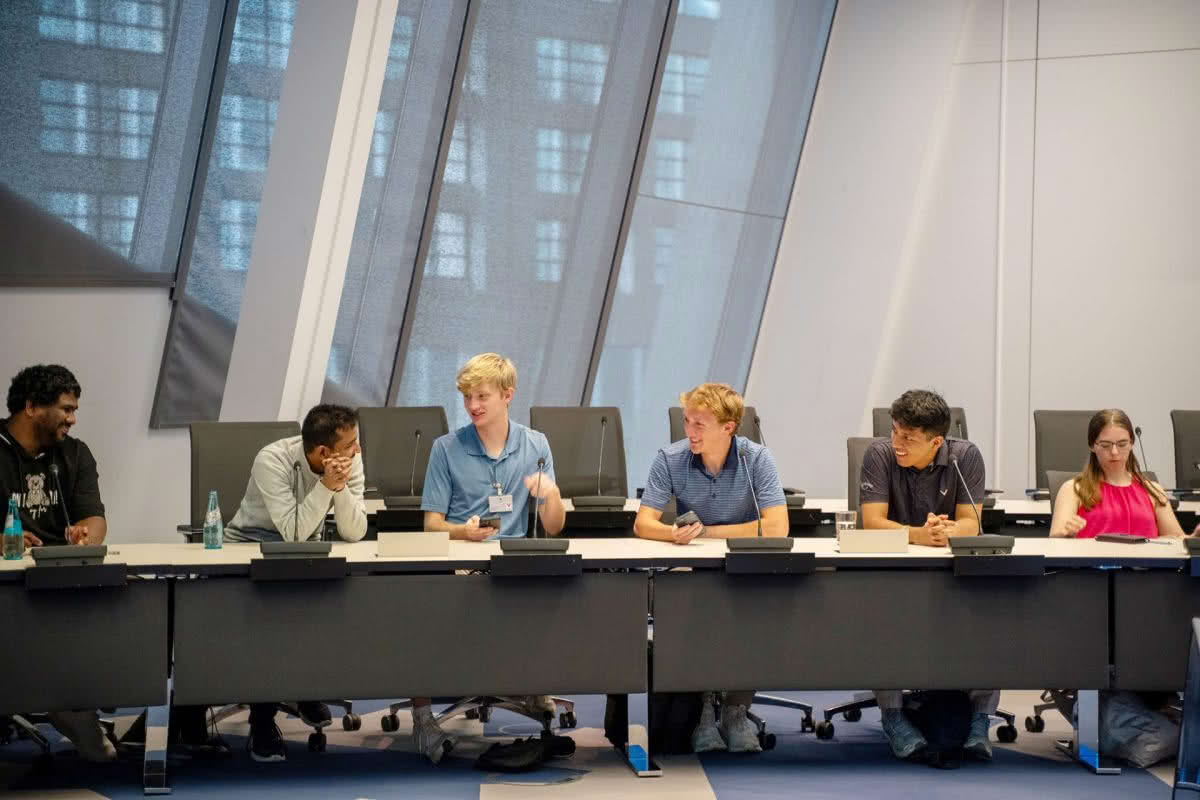
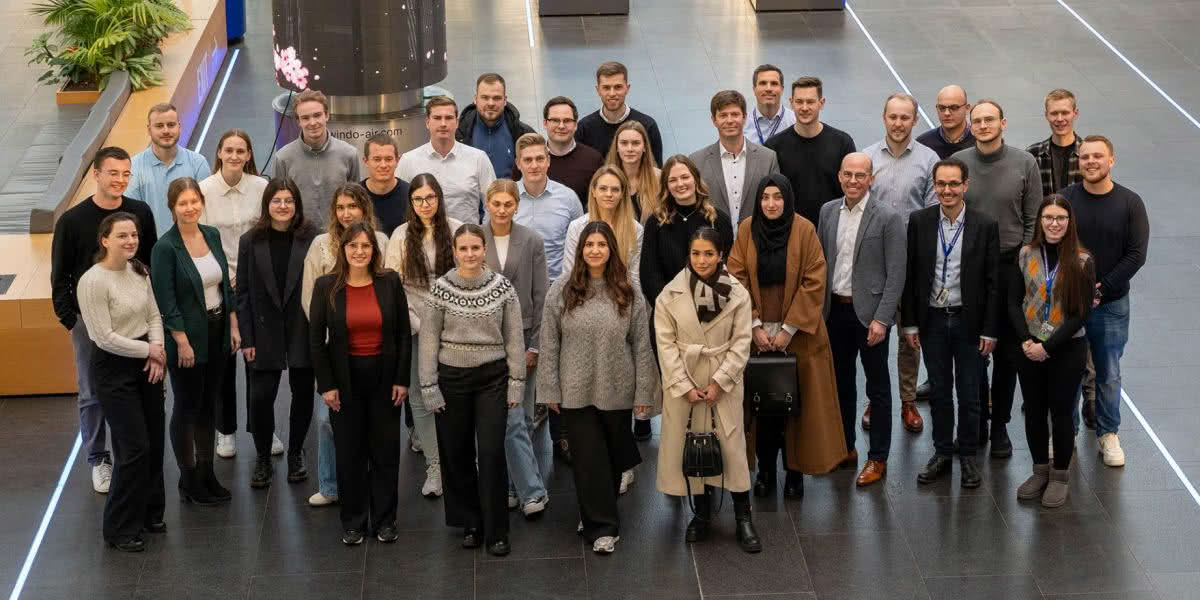
What an inspiring and unforgettable week together in Giessen! The visit to THM marked Phase 2 of our International Business Simulation module, following a successful online phase that brought international student teams from three international universities and several world regions together virtually before meeting in person. As THM Business School | Fachbereich Wirtschaft, we were pleased to host lecturers and students from Kajaani University of Applied Sciences (KAMK) and Arkansas Tech University(ATU).
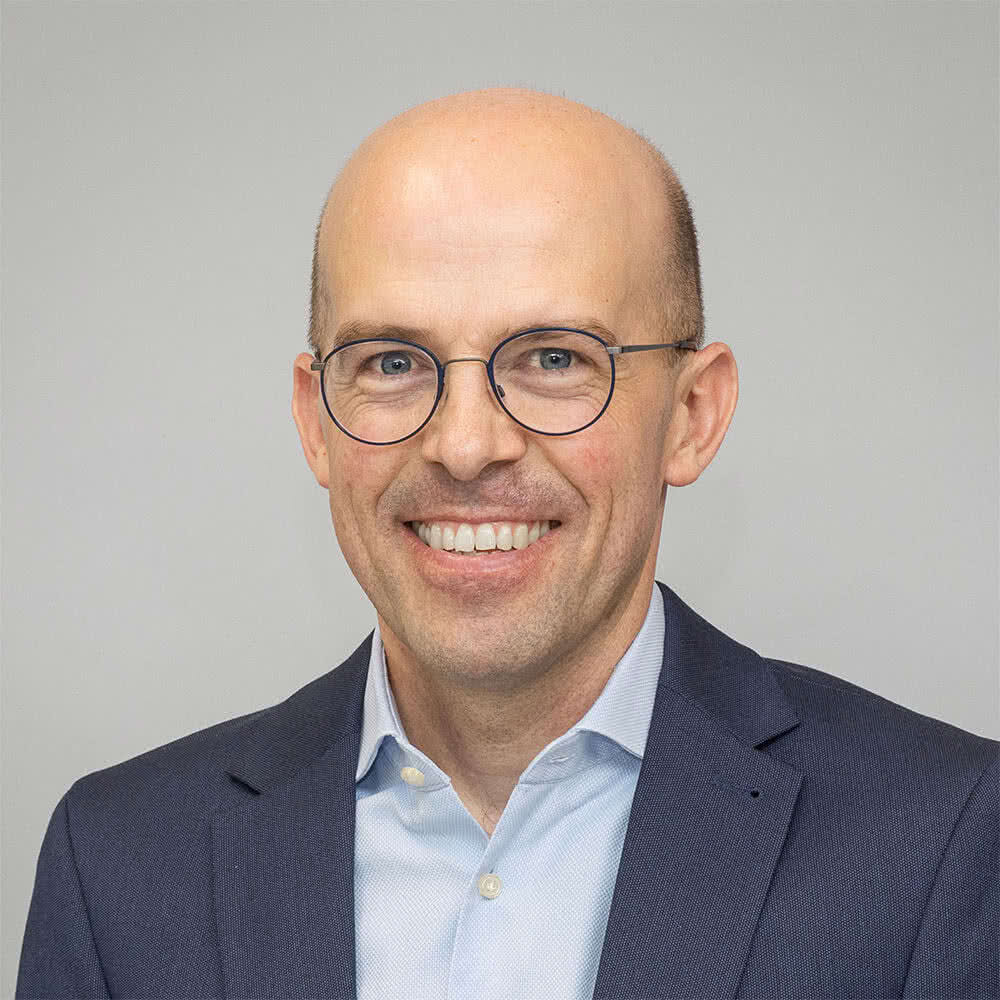
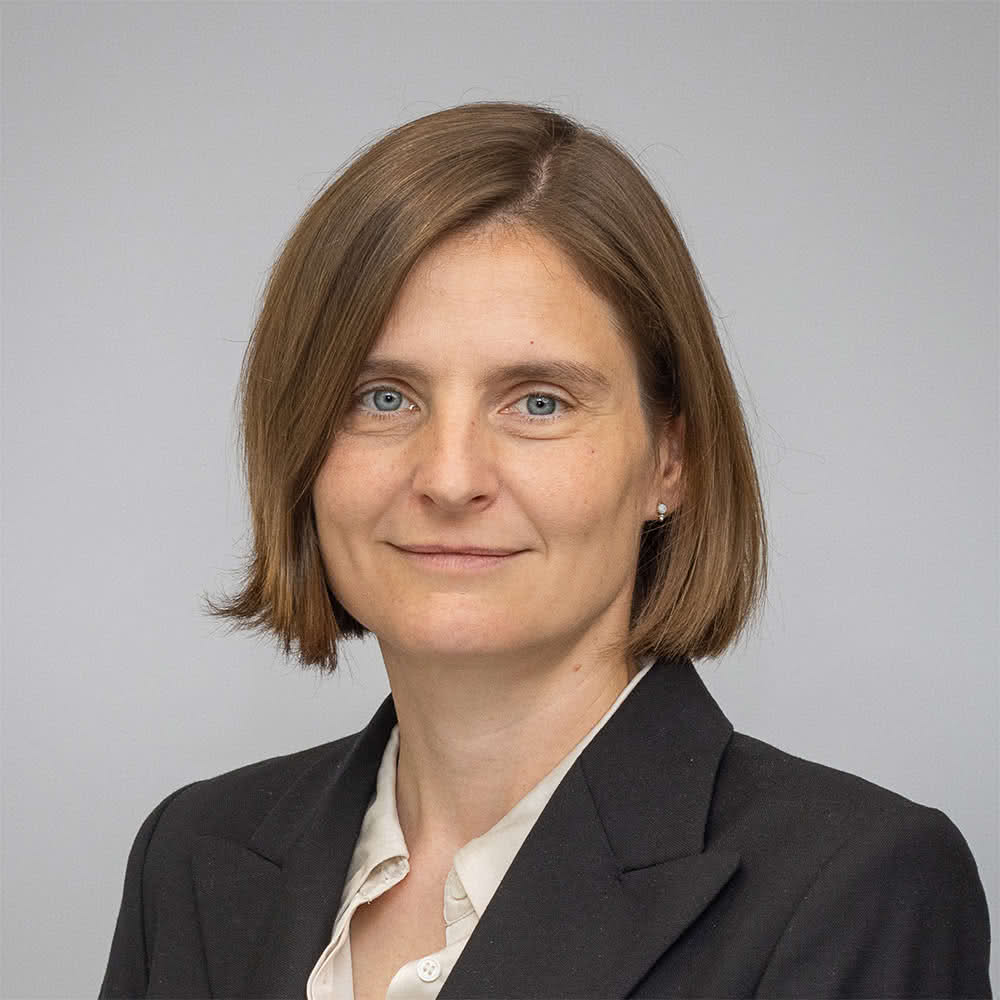
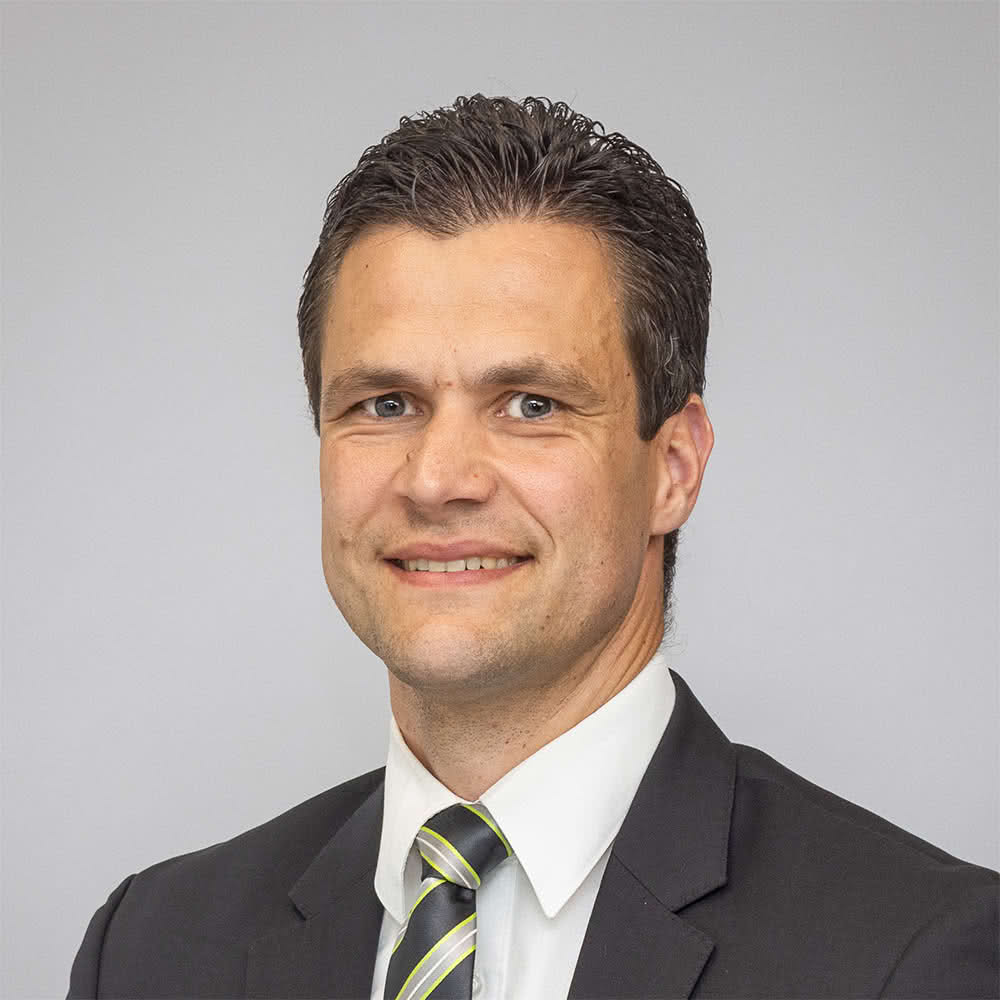
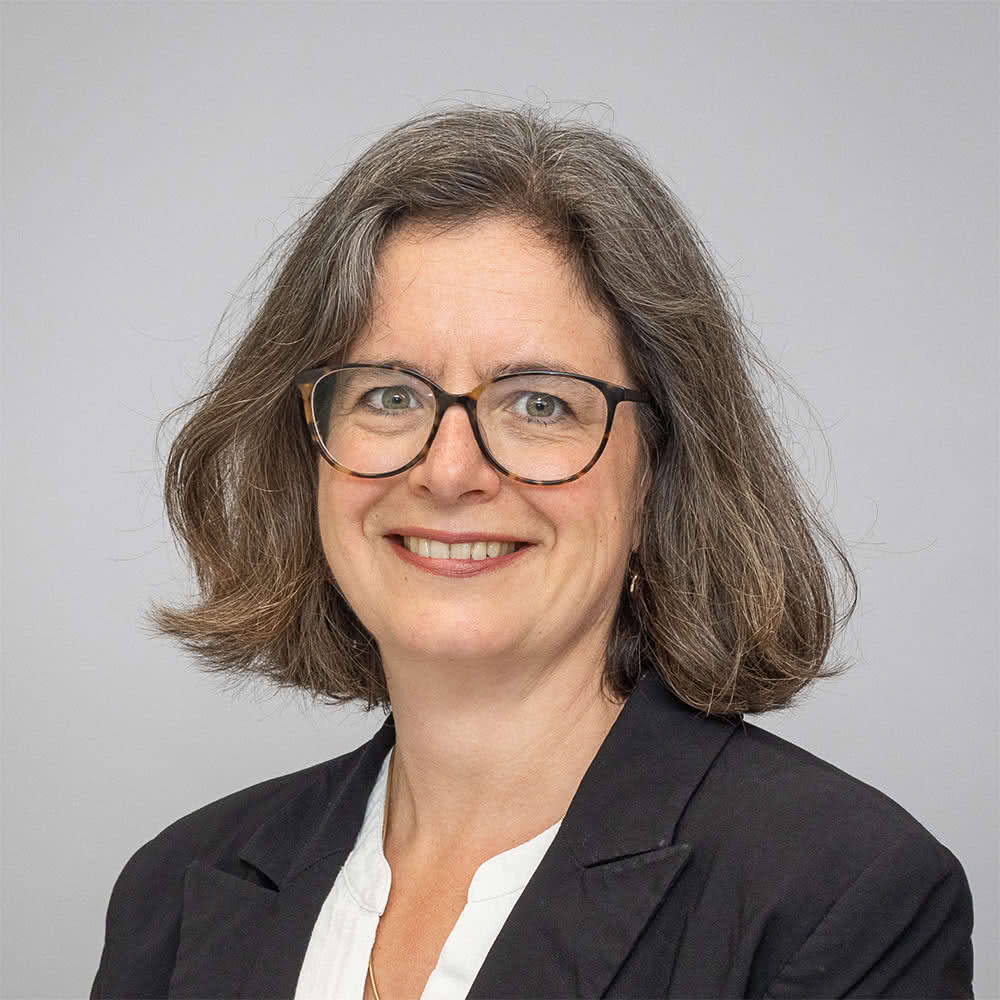
The week started with a warm welcome from THM President, Prof. Dr. Matthias Willems , and Dean of THM Business School, Prof. Dr. Jens Klose. A diverse program of lectures, talks, company visits, and enriching intercultural learning experiences was kicked off for all participants. The list of academic and business speakers included Dr. Matthias Koch, Lt. Dr. Pragya Singh, Dr. Hans-Jürgen Höne, Kai Indra, and Prof. Dr. Jens Klose. In addition, Gabriele Haulmark, Jessica Brock, representing ATU College of Business and Economic Development, students from ATU, as well as Kirsi Sievers, representing Kajaani University of Applied Sciences, gave presentations about study abroad opportunities in Russellville/Arkansas, and Kajaani/Finland.
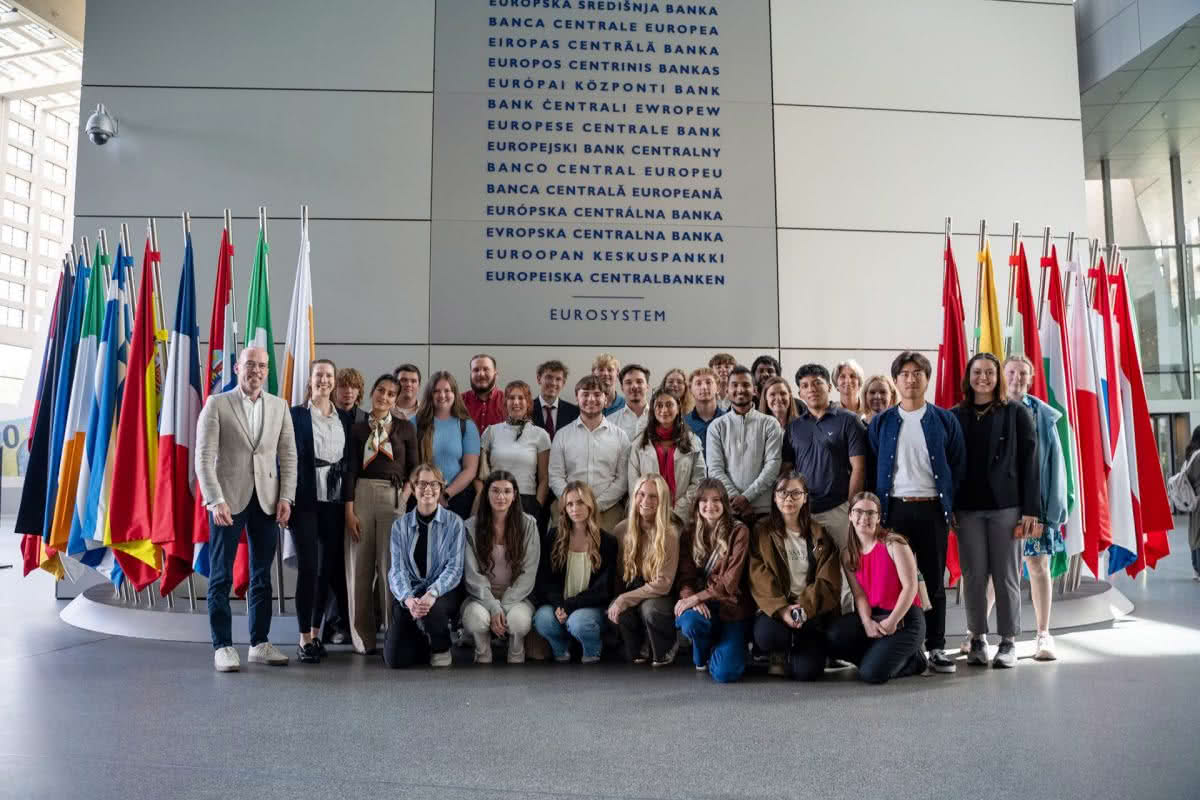 During the week, the participants experienced a company visit to Leica Camera AG in Wetzlar, facilitated and supported by Jörg Theimer. Furthermore, an excursion to Deutsche Börse Group took place thanks to Max Christian Ebner, who warmly welcomed our group and provided a presentation on Deutsche Börse and Frankfurt Stock Exchange. Another highlight included a management lecture on the role and function of the ECB held by Rachele Negro at the Europäische Zentralbank in Frankfurt.
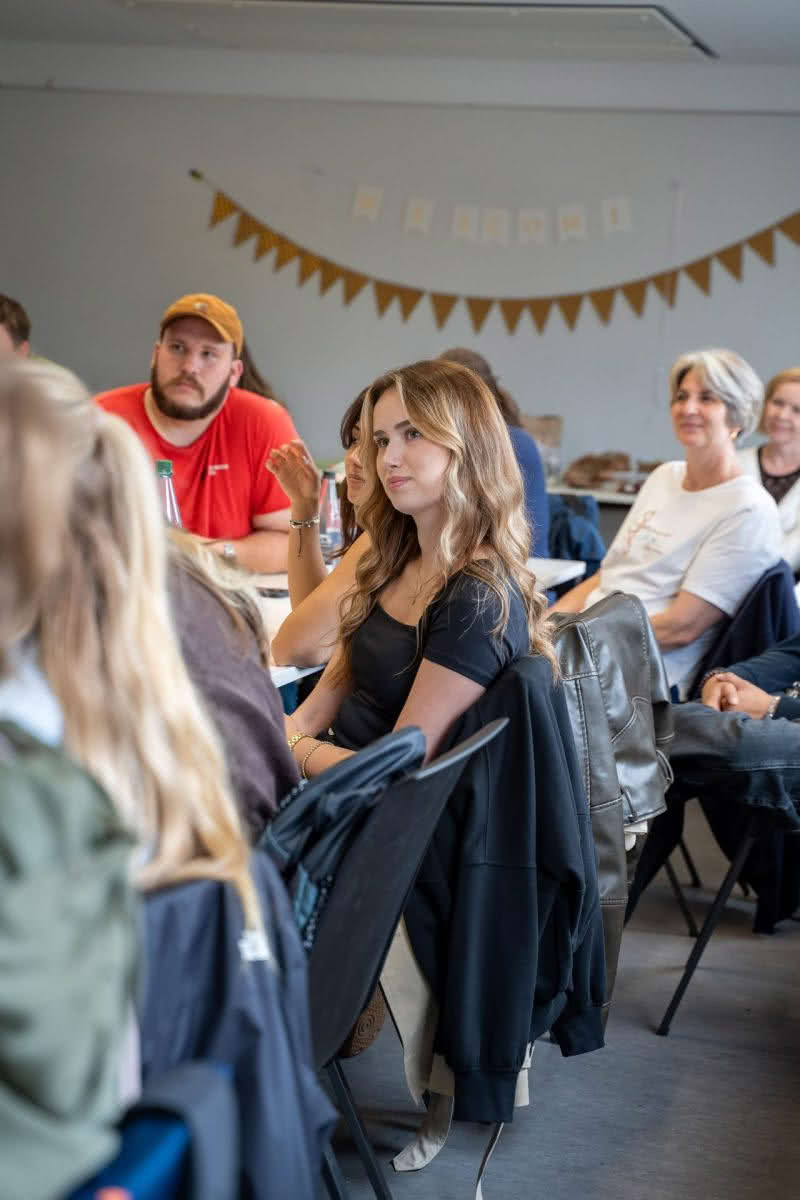
The week was also shaped by special contributions from our international students, such as a student from Vietnam who shared a cultural gift by performing a traditional dance in local attire. The closing event of this unique week was a festive farewell dinner and ceremony in the historic city of Marburg, featuring certificates, acknowledgements, and countless new international bonds. It was a great pleasure hosting a highly engaged, interactive, open-minded, and enthusiastic group of international talents, teachers, and speakers!
Thank you all for making Giessen Week 2026 so special!
A warm thanks goes to Andreas Deublein and his team for providing technical and media support throughout the project, as well as to Julia Böcher and Michaela Zalucki for the highly appreciated and ongoing support for our international endeavors. Last, but not least: Thanks to Somaye Rezaei and Christian Kanitz for joining our IBS project office and providing valuable contributions.
Prof. Dr. Benjamin Löhr & Dipl. Psych. Alexandra Hofmann
pictures: Sophie Hopp, Alicia Rannow and Linus Müller
International Business Simulation is “excellent”
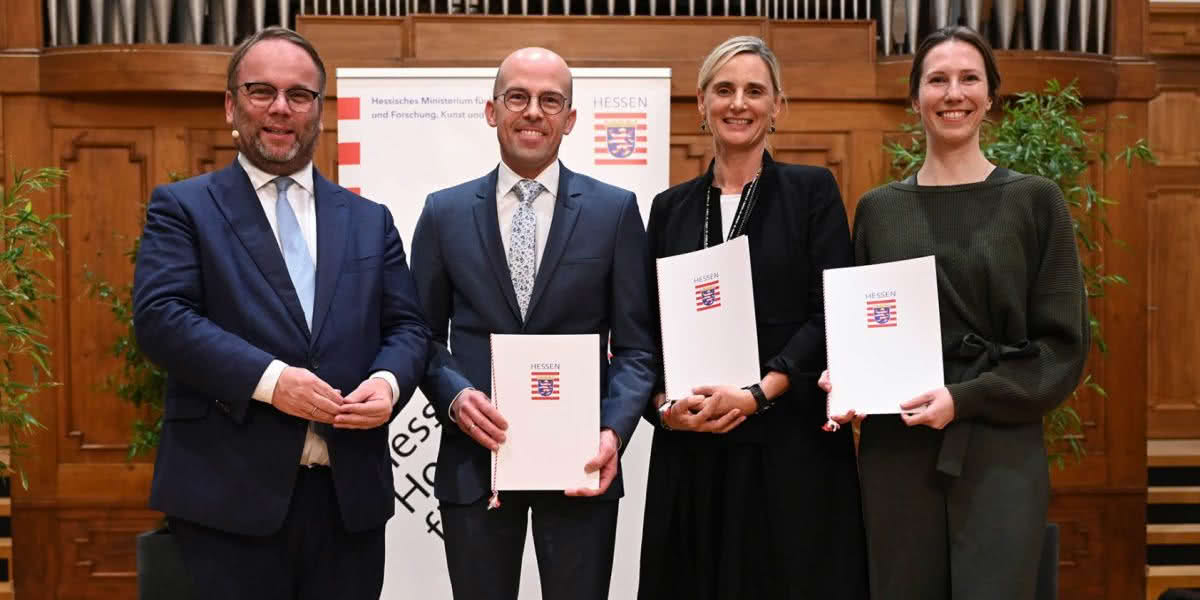
Hesse’s Minister of Science Timo Gremmels (from left) awards Prof. Dr. Benjamin Löhr, Heike Siebert and Alexandra Hofmann second prize in the Hessian University Prize for Excellence in Teaching. (Photo: HMWK)
Deglobalization, nationalization, regionalization – a look at the political and economic situation in the world shows tendencies of retreat. Prof. Dr. Benjamin Löhr, Heike Siebert and Alexandra Hofmann from the THM Business School contrast this with a transatlantic business simulation – and receive the Hessian University Award for Excellence in Teaching.
Since 2023, the module “International Business Simulation (Blended)” has combined a virtual project phase with exchange weeks in Giessen and Russellville in the USA and trains students from Germany, the USA and now also Finland in intercultural project management (in English). In some cases – and intentionally – the transfer of specialist knowledge takes a back seat to the teaching of interdisciplinary and intercultural skills.
Löhr and Siebert kicked things off at a time when horizons were at their narrowest: in the “age of video conferencing”, they anticipated the time after the pandemic in 2021, in which virtual and real interaction will merge in international business life. Together with Gabriele Haulmark, who is responsible for international relations at Arkansas Tech University (ATU) in Russellville, they offered a joint online event as a first step, which was enthusiastically received by students from both universities. They then designed a module with a virtual project management simulation at its heart, which provided a realistic view of the modern business world. “We simulate the working conditions in globalized companies,” explains Löhr: real-time communication in English across time zones and under time pressure. “We invite students from all over the world to leave their comfort zones and broaden their horizons.”
In 2023, they welcomed the first guests from Russellville, followed by a return visit in the same year. Even the Governor of Arkansas welcomed the Central Hessians. This mobility is financially supported by Erasmus+, with around 100,000 euros having already been raised. “Thanks to the financial support, our program also gives us the opportunity to help socio-economically disadvantaged students to experience a transatlantic study trip that is completely new to them. We pay special attention to interdisciplinarity and diversity,” reports Heike Siebert.
The exchange weeks continue the content of the online sessions. They combine elements of the simulation game with specialist and guest lectures and cultural experiences. In Germany, for example, the program includes visits to cities such as Marburg or Cologne, company tours such as Leica in Wetzlar and a trip to Frankfurt to visit the European Central Bank and the German Stock Exchange. “For us in Europe, such mobilities may seem normal. But many ATU students have never left Arkansas – let alone the USA,” says Alexandra Hofmann, highlighting the relevance of the teaching module for many students.
Curiosity, sociability, stress-resilience and self-organization are just some of the key skills that are fostered through travel. “We don’t see culture as a one-dimensional national culture, instead the students develop a common, overarching culture over the course of the program – regardless of whether they come from Germany, the USA, Finland, Nigeria, Iran, Sri Lanka or Pakistan,” explains Hofmann. It was therefore easy to integrate Kajaani University of Applied Sciences (KAMK), a Finnish university with students from various countries of origin, into the program at the beginning of this year. The Canadian Durham College in Oshawa, Ontario, which invited all THM participants for a study excursion in the fall, is brand new to the program – an exciting finale for the participating students in 2025.
Their enthusiasm is shared not only by the presidents of the participating universities, who support the project to the best of their ability and explore further opportunities for cooperation outside of the content-related framework, but also by the jury of the Hessian University Prize. It praised “the high level of reflection and didactic depth”, which is expressed, for example, in the challenge-based learning principles or the “constructive alignment” approach, which coordinates learning objectives, teaching and learning methods and forms of examination as early as the planning stage of the module. The combination of synchronous and asynchronous teaching elements, the alternation of online and face-to-face phases also creates a “direct link to the globalized world of work”. There was also praise for the type of performance assessment: instead of traditional examinations, students write learning diaries with individual feedback, for example, supplemented by reflection tasks and creative presentations.
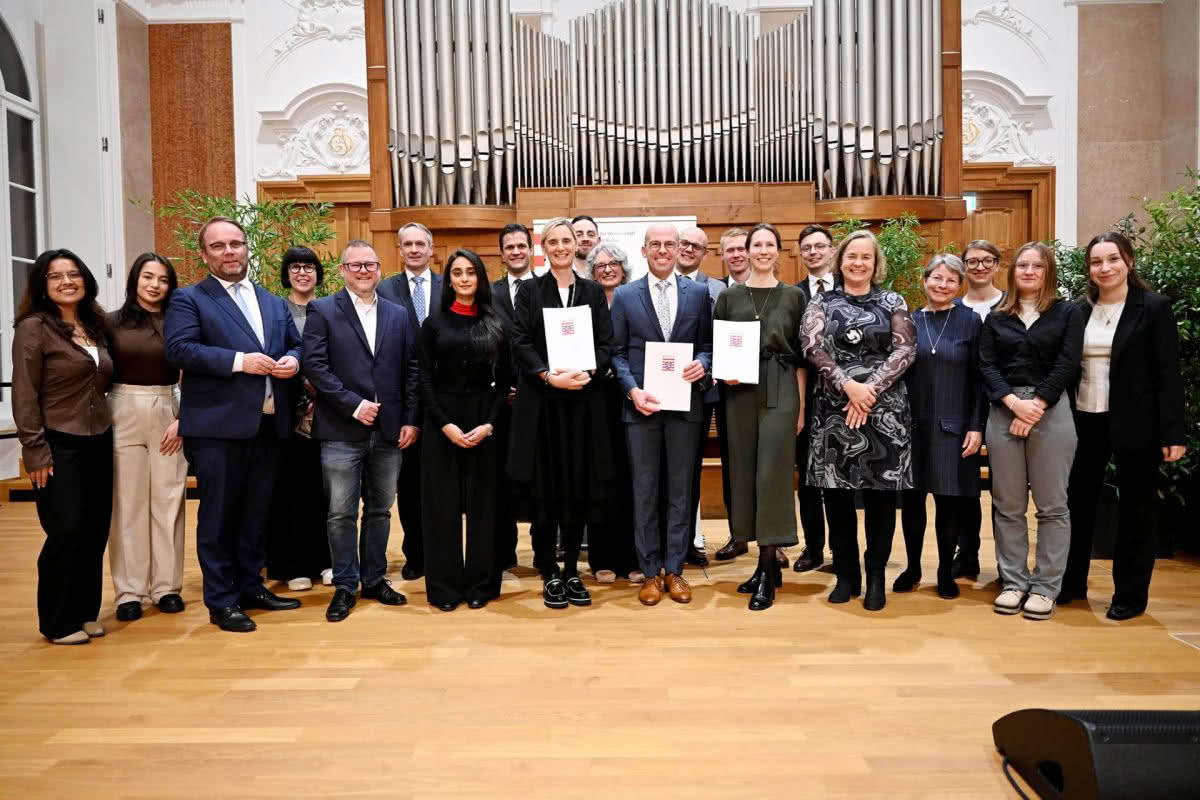 The four award-winning projects “promote critical thinking, empathy and team spirit – and create learning spaces that encourage students to try out new things,” said Hesse’s Minister of Science Timon Gremmels in his laudatory speech. “Especially in times when our democracy is under pressure, we need teaching formats that arouse curiosity and promote an attitude.” With this in mind, the jury selected the most convincing ideas from 38 applications from 13 universities. With the second prize, combined with a grant of 30,000 euros, which will go directly towards the continuation of the project, it recognized the “International Business Simulation (Blended)” by Prof. Dr. Benjamin Löhr, Heike Siebert and Alexandra Hofmann as an example of excellent university teaching.
A video about the project can be found on the HMWK website.
All photos: HMWK
THM Business School Study Trip to Canada
For the first time, the “International Business Simulation (Blended)” module brought a group of THM Business School students to Ontario, Canada. Closely connected to the first two phases of the module – a virtual business simulation in May and intercultural encounters during the “Giessen Week” in June – the September phase offered students from the Bachelor of Business Administration and Bachelor of Business Administration Sustainability Management programs a unique opportunity to further develop their intercultural competencies and gain confidence in international contexts.

From September 15 to 24, Benjamin Löhr, Heike Siebert, and Alexandra Hofmann accompanied participants from various semesters and fields of study on an intensive study trip that proved both inspiring and challenging in equal measure.
The partnership between THM Business School and Durham College in Oshawa, Ontario, initiated in 2025, took shape with this inaugural visit, paving the way for exceptional learning experiences. The THM delegation was warmly welcomed with outstanding hospitality and professionalism. Their hosts presented an impressive and varied program, showcasing the modern campus, innovative teaching methods, a vibrant international student community, and collaborations with leading global companies and network partners.

During a tour of the Oshawa campus, Professor Rogier Ten Kate from the School of Business & IT introduced THM students to Durham College’s globally oriented yet student-centeredapproach. In his course on Personal Brand Creation, he provided valuable opportunities for reflection, personal growth, and stepping outside of one’s comfort zone. THM students presented their technical and interdisciplinary findings from the International Business Simulation (Blended) module and shared insights into intercultural challenges they had encountered. In the process, they offered the international students from Durham College a glimpse into student life in Giessen. The enthusiastic feedback and active engagement between the mixed student groups give rise to great optimism for future exchange opportunities and for welcoming the first Durham College students at THM Business School soon.
Initial collaborations also emerged among faculty members. Jason Brodie, Professor of Supply Chain Management at DC, opened his international course for an interactive guest lecture by Professor Löhr on Supply Chain Risk Management. This not only sparked lively discussions with participating students but also inspired ideas for future collaboration. Further cooperation ideas were also explored in conversations with various experts at DC, particularly regarding the potential joint development of future COIL (Collaborative Online International Learning) programs.
Debbie McKee-Demczyk, Associate Vice President for Innovation and Research at Durham College, personally took the THM delegation on a campus tour, exploring the college’s application-oriented, strategically focused, and future-shaping research culture. At the Research and Development Center, our delegation engaged directly with dedicated experts and highly committed students across various innovation hubs. These included the Cybersecurity & Innovation Center, which monitors and analyzes global cyberattacks in real time, the AI Hub, dedicated to connecting corporate practice with applied research in artificial intelligence, and the Virtual Reality Center, which studies the impact of human interaction in virtual environments.
Other highlights included attending lectures by Corey Gill, Professor and Program Coordinator for Human Resources, and John-Paul Mann, Professor and Program Coordinator for Finance, IT & Management. These sessions further demonstrated how innovative and student-centered teaching and exchange formats can be effectively implemented in a globalized world, underscoring the importance of intercultural learning experiences. A visit to the neighboring Ontario Tech University also provided highly interesting insights into the region’s innovative ecosystem. The tour of the globally recognized Automotive Centre of Excellence (ACE) and its “Testing Chambers” offered firsthand exposure to cutting-edge research and development facilities and current innovation trends.
Although it is impossible to capture all the countless highlights of this excursion, two experiences deserve special mention. One was the company visit to Safran Landing Systems Canada, facilitated by Professor Corey Gill and Cristina Italia, Executive Dean of the Faculty of Business and Information Technology at Durham College. The visit offered fascinating insights into the operations of a leading global corporation. The site in Ajax specializes in the development and manufacturing of fully integrated aircraft landing systems. The plant assembles and delivers complete landing gear sets for major aviation companies such as Boeing and Bombardier. We had the great honor of meeting Stacey Fox (VP Human Resources), Ernest Leung (VP Engineering North America), Ryan Gould (Director, Global Trade & Compliance), and Olya Boyko (Marketing & Communications Manager North America) for an in-depth, multi-hour discussion.

Equally noteworthy was the visit to DC’s Whitby campus, which added entirely new perspectives through its focus on sustainability. During a uniquely exciting agricultural “field trip”, Carey Yeoman, Barrett Center Partnership Manager, demonstrated how sustainable agriculture, urban farming, and resilient practices are taught at the college. The hands-on experience culminated in a delicious lunch featuring produce grown on site, vividly illustrating the holistic, practice-oriented approach of the program.
Marked by professionalism, dedication, and collegial exchange, this first visit laid the foundation for a trusting and strategic development of our partnership.
We would like to express our heartfelt thanks to all colleagues at Durham College who contributed to this unforgettable experience and for the valuable professional and interdisciplinary inspiration. The deliberate focus on people, nature, and historical roots, combined with openness and creativity towards future-oriented developments, left a lasting impression.
The study trip concluded with a stay in Toronto, including visits to the Royal Ontario Museum and Niagara Falls – complete with a boat tour, a guided visit to the historic power station, and even a picture-perfect rainbow. This finale not only delighted with its vivid spectrum of colors but also symbolized the diversity and richness of new experiences throughout the journey.

We are delighted and grateful to have successfully completed the International Business Simulation (Blended) program in 2025, supported by a strong network of partners: Arkansas Tech University (USA), Kajaani University of Applied Sciences (Finland), and Durham College (Canada). In 2026, the program will enter its fourth round, continuing to foster global collaboration, intercultural learning, and practical business insight.
Alexandra Hofmann, Benjamin Löhr, Heike Siebert
New international partnership with IIIT Allahabad
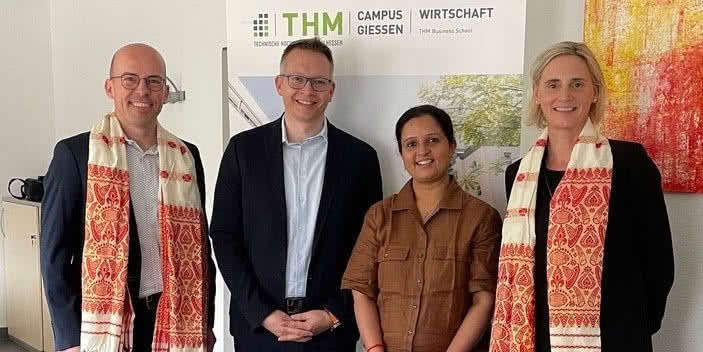
We are delighted to announce a new partnership with the Department of Management at the Indian Institute of Information Technology (IIIT) in Allahabad.
Just a few weeks ago, THM President Prof. Dr. Matthias Willems visited India; a few days ago, the IIIT Executive Board paid a return visit; and we are now already in direct contact with professors and staff at the THM Business School.
Many thanks to our International Office and Michaela Zalucki for facilitating the brief visit by Associate Professor Lt. Dr. Pragya Singh, Head of the Department of Management Studies at IIIT Allahabad. Our guest brought some lovely scarves as a gift, which she presented to our Dean of Studies, Prof. Dr. Benjamin Löhr, and to Heike Siebert, our international exchange coordinator.
The evening before, there was a constructive exchange of ideas over dinner with Prof. Dr. Juliane Staubach, Prof. Dr. Stefanie Wannow and Prof. Dr. Simon Kiesel to discuss a potential exchange programme in the field of marketing.
Like Prof. Dr. Simon Kiesel, Lt. Dr. Pragya Singh teaches digital marketing and entrepreneurship. There are many commonalities and fascinating research topics, such as those relating to the massive pilgrimage event that takes place regularly in Allahabad at the Triveni Sangam, the confluence of the Ganges, the Yamuna and the mythical river Sarasvati. Digital media are used there to coordinate millions of visitors and also to enable entirely new, temporary business models for the local population.
In addition to joint research and collaboration between academics, discussions also centred on student exchanges between our two business schools. The IIIT campus and the programmes offered there provide our Master’s students with an excellent opportunity to spend a semester abroad in India.
Further information about IIIT Allahabad: https://www.iiita.ac.in/
Photo: Astrid Fischer
Global Perspectives & Arctic Vastness: Expanding partnership with Kajaani University of Applied Sciences, KAMK in Finland
At the invitation of Kajaani University of Applied Sciences KAMK, Prof. Dr. Benjamin Löhr and Alexandra Hofmann traveled to Finland from 19-21.03.2025, to further advance international programs at THM Business School.

After a journey marked by unique flight conditions, including a view of Giessen, the THM campus and later the snow-covered expanses, lakes and forests of Finland, the two visitors from Giessen were warmly welcomed by Kirsi Sievers, International Specialist and Meira Kaikkonen, Head of International Affairs at KAMK. Together with Sini Sarén, Head of Degree in Business, and Heli Kurkko, Head of Degree in Tourism, they discussed synergies for future joint teaching initiatives.
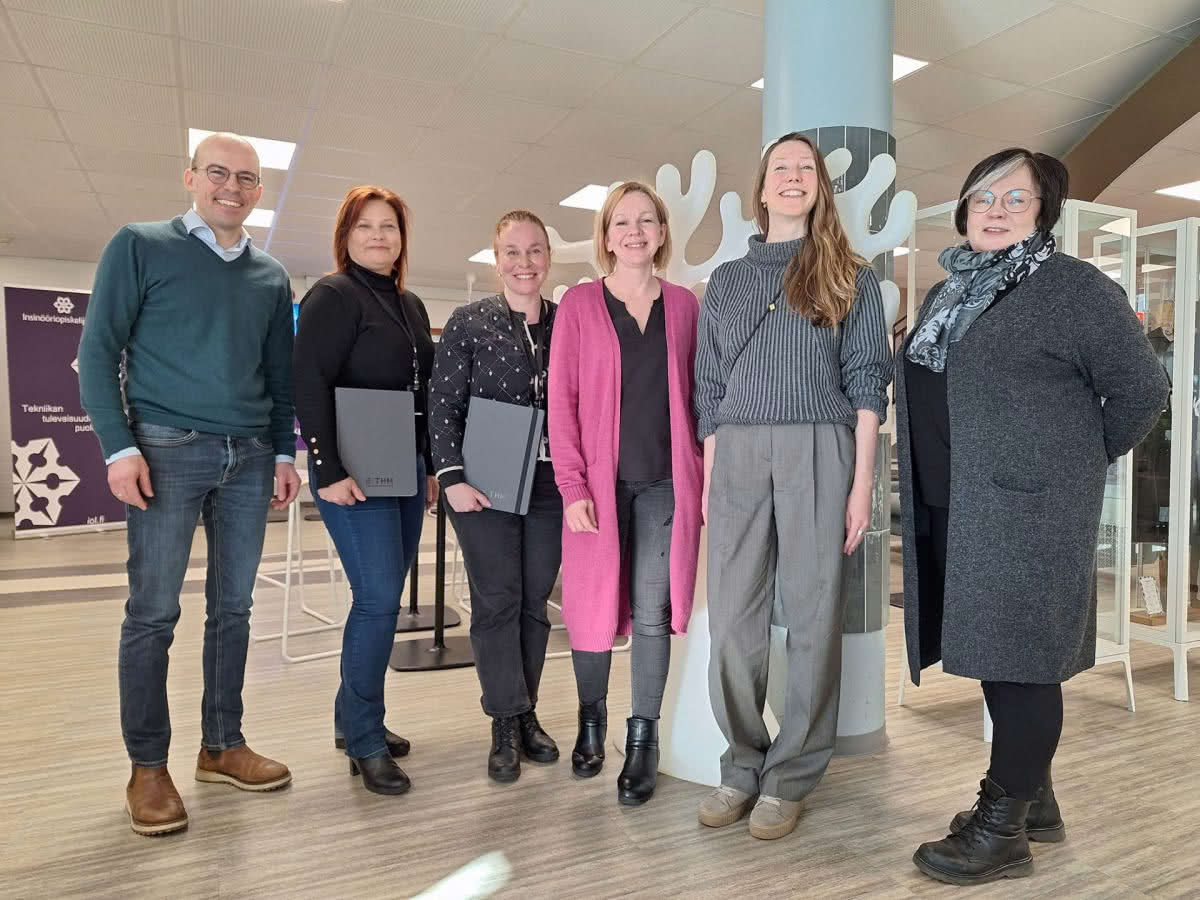
Exploring the learning environments and courses within the E-Sports, IT, Business, and Tourism degree programs, they encountered state-of-the-art technology and pleasant study spaces, as well as a strong commitment to fostering an internationally oriented student community. The innovative, student-friendly campus atmosphere – enhanced by the presence of a supercomputer and designated spaces for intercultural interaction – proved to be the perfect setting for engaging conversations. Prof. Löhr and Alexandra Hofmann’s proposed concepts were met with open, engaging and supportive dialogue.
During a vibrant exchange with Kirsi Sivers and a group of interested international students, discussions centered on intercultural learning formats, 21st century skills and the vital role of international experience for today’s students as essential preparation for their future professional careers. In this context, the THM Business School representatives presented Module 749 “International Business Simulation (Blended)”, led by Heike Siebert and Benjamin Löhr.
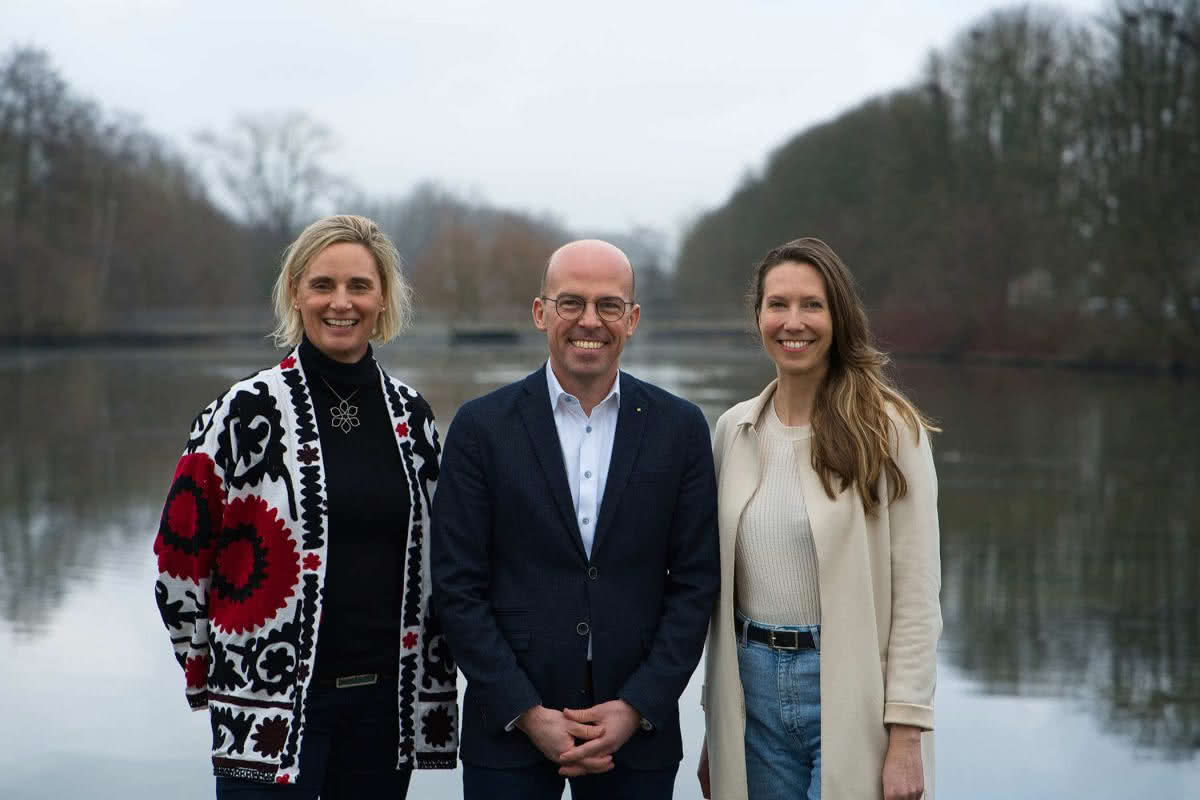
Supported by Erasmus+ and launched in 2023, the transatlantic, English-language module has been offered annually in close cooperation between the THM Business School and the College of Business and Economic Development at Arkansas Tech University (ATU) in the USA. Looking ahead to the upcoming summer semester and the third module run, a special opportunity arises:
Thanks to the support of ZeKoLL and the LIF funding acquired by Benjamin Löhr and Heike Siebert through the NIDIT project within the Foundation for Innovation in Higher Education, the project team, led by Alexandra Hofmann, has been working on the further development of the module since the start of the project funding in the last quarter of 2024: The aim is to integrate a third international university and thus additional cultural perspectives. The module can therefore continue to develop – accompanied by action research – as a future-oriented teaching and learning concept.
The intensive exchange culminated in a concrete expression of interest from several KAMK students to already apply for participation in this year’s virtual part of the module, scheduled to start in just a few weeks. Preparations are currently underway at both KAMK and THM. “We will be truly delighted if this pleasant, professional and highly agile collaboration may soon enable students from the three participating universities – THM, ATU and KAMK – to learn, work and grow together in just a few weeks’ time,” says Alexandra Hofmann.
Special thanks go to Kirsi Sievers and all KAMK colleagues met during the visit for their warm hospitality and constructive cooperation.
Prof. Löhr concludes: “We see potential in this project to both innovatively expand the structures of Module 749 and support the ongoing efforts of the department to enhance internationalization, alongside offering additional opportunities to our students.” For those interested in studying abroad at KAMK, please feel free to contact Heike Siebert, International Coordinator, or Prof. Dr. Christoph Gallus, Country Representative for Finland.
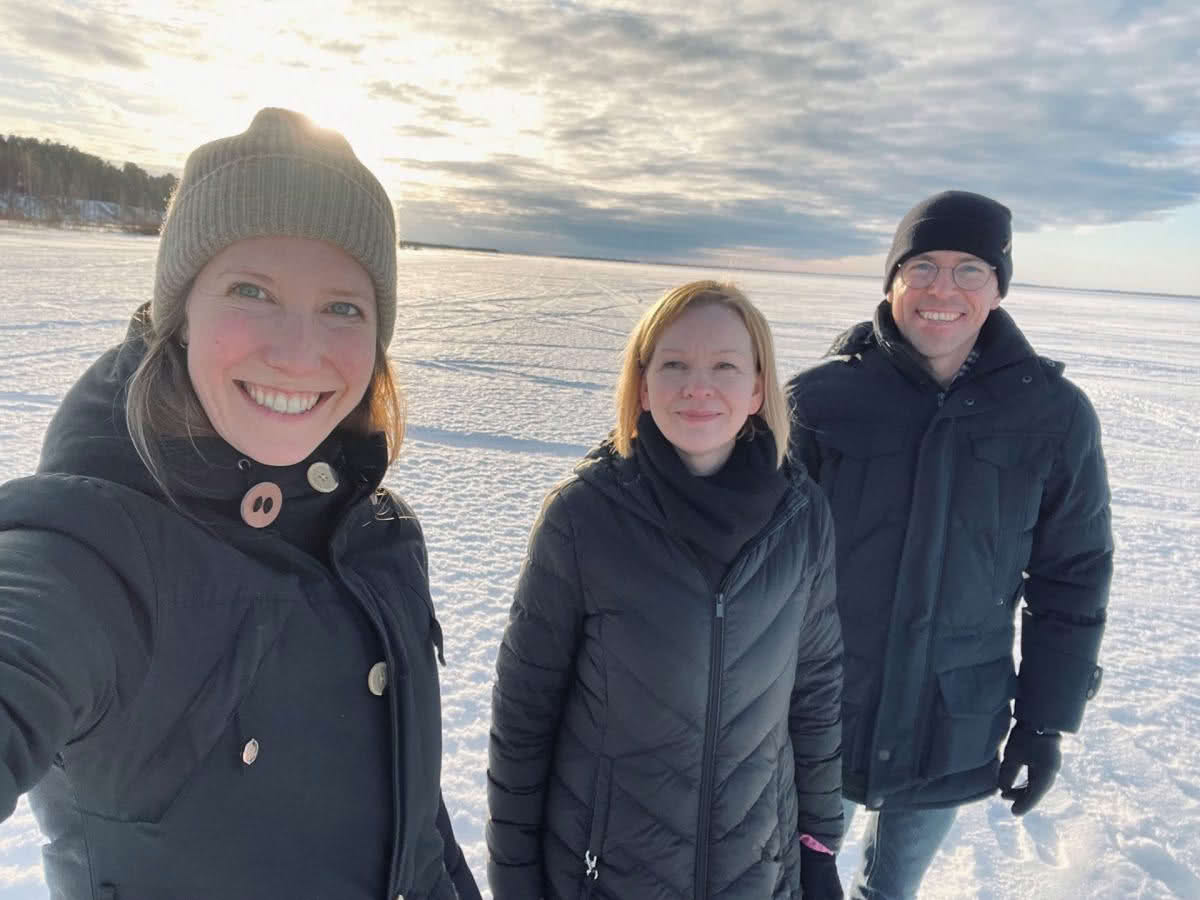
Last but not least, on March 20, 2025, Finland was named the happiest country in the world for the eighth time, according to the World Happiness Report 2025. Alexandra Hofmann and Benjamin Löhr had the opportunity to personally experience one aspect of this deep contentment after the meetings on Lake Paltaniemi: A profound connection to Finland’s fascinating natural landscape.
Looking forward to the next steps together: Kiitos Kajaani! (Thank you, Kajaani, in Finnish)
Report: Alexandra Hofmann and Benjamin Löhr
pictures: Benjamin Löhr, Alexandra Hofmann, Peter Stricker, Andreas Deublein
THM Business School visits Fraport AG
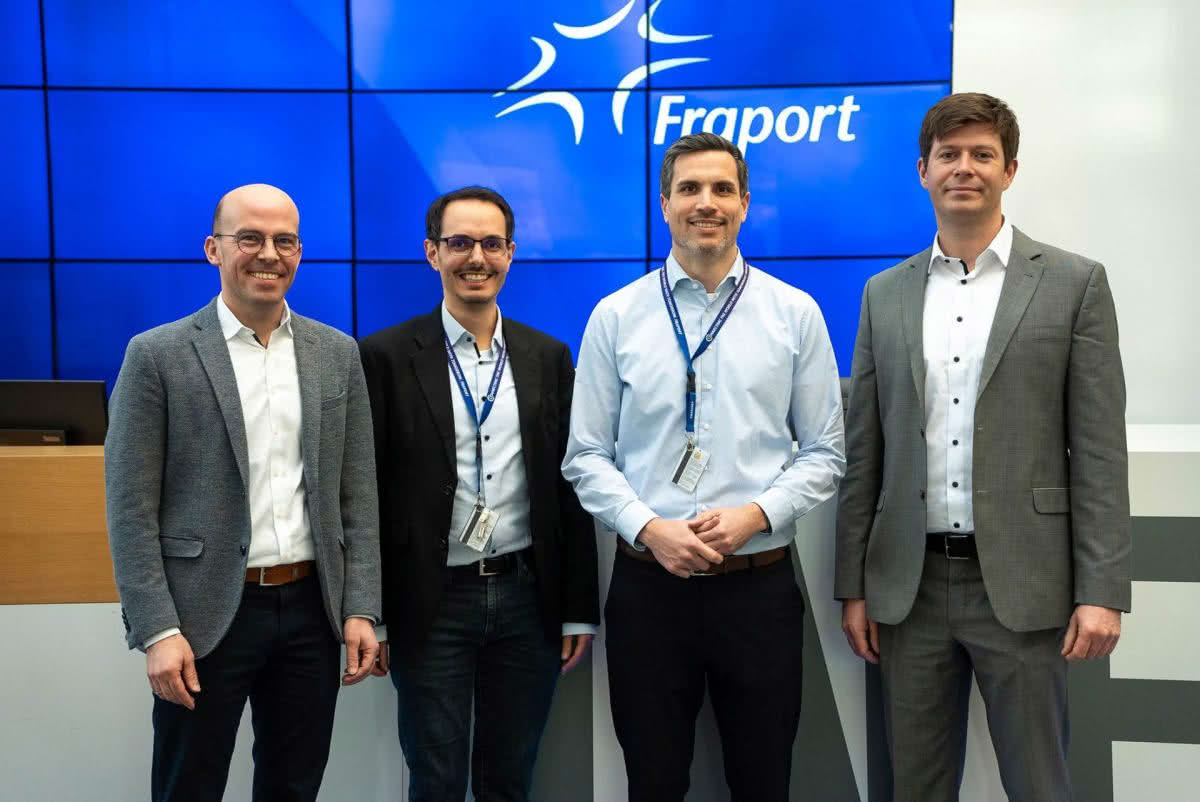
The new year got off to an exciting start: on January 13th, 2025, students from the Bachelor’s specialisation in ‘International Management’ and the Master’s programme in ‘Corporate Management’, accompanied by Prof. Dr. Benjamin Löhr and Prof. Dr. Gero Holthoff, visited Fraport AG as part of a study excursion.
The day began at Fraport’s interactive visitor centre: the students were able, for example, to try their hand at being air traffic controllers and airport firefighters in a virtual reality simulation, and to experience the journey of a piece of luggage through the airport using VR headsets on a motion ride. A scale model of Airport City highlighted areas of the airport that are not normally visible and also provided a glimpse of the new Terminal 3.
Following the security check, the airport bus tour set off in glorious weather, featuring many highlights: take-offs and landings of a wide variety of aircraft, the de-icing procedure before take-off, aircraft loading and refuelling, the various fire stations with their specialist fire engines, the new T3 and much more. We were accompanied by our excellent tour guide, who had fascinating stories to tell about every part of the airport. For example, we learnt more about Europe’s largest air freight centre for temperature-controlled products (Perishable Centre), which specialises in the storage of fresh produce and can offer a wide range of storage temperatures for a wide variety of products.
The tour ended at Fraport AG’s corporate headquarters. This is where the business-related part of the excursion began. First, Mr Sebastian Fay, Head of Risk Management, Processes and Systems, introduced us to the structure and business model of Fraport AG, providing insights into the company’s operational processes and the Fraport Group’s international activities. For instance, the company also operates various airports abroad, such as Lima Airport, which has already been recognised as the best airport in South America. Mr Simon Hucker, also from the Risk Management, Processes and Systems department, then presented Fraport AG’s group-wide risk management using real-life examples.
Firstly, he reported on the flooding in Porto Alegre, Brazil, in 2024 and the associated impact on the airport there, which is operated by Fraport. Secondly, he gave an interactive presentation on the topic of cyber risks and the corresponding mitigation measures. Finally, a wide range of career entry opportunities at Fraport were presented, and our students seized the chance to engage in a very open and interactive discussion. We would like to extend our warmest thanks to Mr Sebastian Fay, Mr Simon Hucker and Ms Ann-Kathrin Grund for an informative and enriching day out exploring the airport business, which demonstrated just how fascinating and wide-ranging the world of business administration is.